India, the world’s third-largest oil importer, has significantly ramped up crude oil purchases from the United States in a strategic economic and geopolitical shift. The surge comes amid rising concerns over potential trade sanctions and tariff hikes from Washington, as India seeks to diversify energy sources and ease diplomatic tensions. According to data from the Petroleum Planning & Analysis Cell (PPAC), Indian imports of U.S. crude rose by over 120% in Q2 2025, even as imports from Russia, Saudi Arabia, and Iraq dropped by 70%. This shift highlights the changing dynamics of the India US oil trade 2025.

This article explores the reasons behind the pivot, its implications on global energy politics, and how it reflects India’s evolving foreign policy calculus.
Why the Sudden Shift?
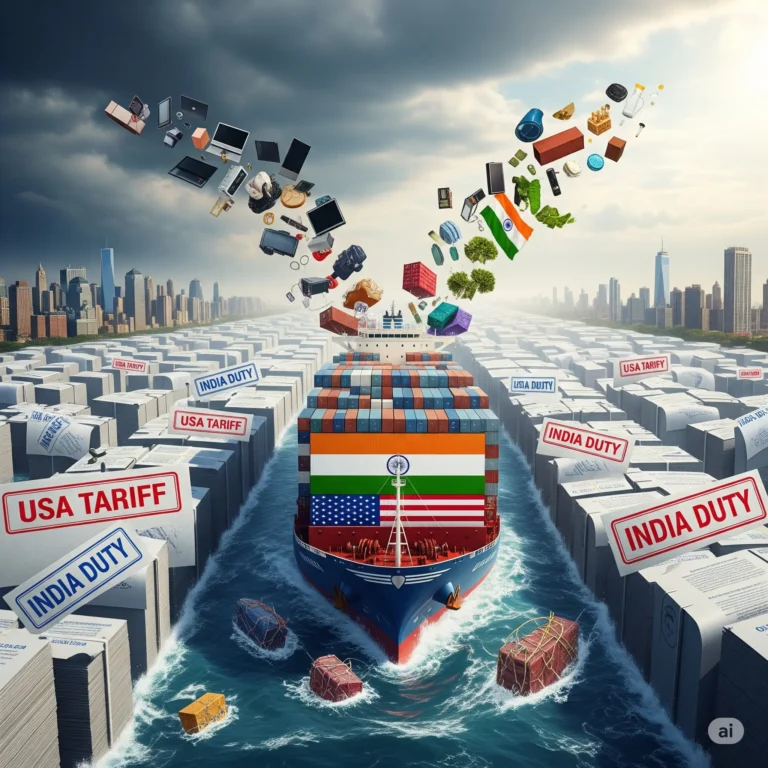
The change in India’s oil import strategy comes amid pressure from the U.S. government, which recently hinted at a 26% retaliatory tariff on select Indian exports due to trade imbalances and concerns over data localization policies. To mitigate diplomatic fallout, India appears to be using increased oil imports as an olive branch to soften Washington’s stance.
Additionally, the global energy landscape has shifted dramatically:
- Ongoing geopolitical instability in the Middle East
- Western sanctions on Russian crude tightening post-Ukraine war
- Competitive U.S. shale oil pricing and consistent supply
These factors have made U.S. crude an attractive and politically strategic choice for India. The India US oil trade 2025 has emerged as a key component of diplomatic maneuvering.
Breakdown of Import Volumes
According to oil ministry officials:
- U.S. crude imports rose from 6 million barrels in Q1 to over 13.5 million barrels in Q2 2025
- Russian imports fell from 18 million to 5 million barrels
- Saudi and Iraqi imports collectively dropped by 55%
Most of the U.S. oil arrived via the Gulf of Mexico terminals and was refined in Indian facilities in Gujarat and Maharashtra. Indian Oil Corporation (IOC) and Bharat Petroleum (BPCL) have reportedly signed new short-term contracts with U.S.-based suppliers.
Geopolitical Balancing Act
This shift is not just about oil—it’s a signal of India’s delicate balancing act on the global stage. As India strengthens its partnership with the West through QUAD, defense deals, and technology transfers, it must carefully manage its long-standing relations with Russia and Arab nations.
By increasing trade with the U.S., India is:
- Showing goodwill without making explicit concessions
- Sending a message of cooperation ahead of G20 and BRICS summits
- Reducing dependency on unstable suppliers
However, India has also reiterated that its energy policy remains guided by national interest and market dynamics. The India US oil trade 2025 highlights how geopolitics is now deeply tied with energy economics.
Impact on Domestic Market
Industry analysts believe the switch could lead to minor pricing fluctuations in domestic fuel rates. U.S. crude, especially WTI (West Texas Intermediate), has slightly different refining properties compared to the heavier grades from the Middle East. But due to favorable shipping rates and discounts offered by U.S. exporters to secure long-term Indian demand, refiners are not expected to face significant cost hikes.
Some analysts suggest the move could reduce India’s reliance on spot markets and increase energy security.
Washington’s Reaction
The Biden administration has welcomed the development, stating it represents “mature, mutual, and market-based engagement.” U.S. Energy Secretary Jennifer Granholm noted, “India’s purchase of American crude is a testament to the strength of our commercial energy ties and the trust we place in each other’s systems.”
At the same time, U.S. Trade Representative officials have indicated that tariff decisions will be “reviewed holistically,” suggesting the oil trade could ease some pending trade frictions.
Environmental and Strategic Considerations
The shift also aligns with India’s broader strategy to reduce dependence on fossil fuels from geopolitically volatile regions. By partnering with the U.S., India hopes to:
- Build long-term strategic petroleum reserves
- Improve energy diversification
- Invest in joint carbon-neutral refining technologies
However, critics argue that instead of increasing fossil fuel dependency, India should use this opportunity to invest further in green energy partnerships with the West.
Public and Political Reaction in India
While the move has not directly affected petrol prices, opposition parties have questioned the lack of transparency in trade deals. Some have accused the government of “bowing to American pressure” and ignoring domestic refiners’ preferences for cheaper Russian crude.
Government spokespersons have denied these claims, stating that every decision has been “in line with national interest, economic logic, and strategic foresight.”
Economic Forecast and Trade Projections
Experts from the Confederation of Indian Industry (CII) and the Observer Research Foundation (ORF) project that:
- India’s trade deficit with the U.S. may narrow by 4–5% over the next two quarters
- U.S. could overtake Iraq as India’s second-largest oil supplier by early 2026
- Tariff threats may recede if bilateral trade remains stable
Further, the Reserve Bank of India (RBI) has reported improved foreign exchange stability due to lower shipping insurance costs and reduced transaction delays with U.S. vendors. The India US oil trade 2025 may also open doors for tech collaboration in clean energy sectors.
Stay updated with the latest national and international news—only on RealTimeVoice, your trusted source for real stories in real time.
Conclusion
India’s rapid increase in U.S. oil imports marks more than a trade trend—it reflects a strategic pivot in foreign and energy policy. In a world marked by shifting alliances, economic nationalism, and energy realignments, India is signaling that it is ready to play a larger, more flexible role.
Whether this oil diplomacy will translate into long-term economic and diplomatic stability remains to be seen. But for now, New Delhi has sent a clear message: India is diversifying not just energy sources, but also its strategic bets through the India US oil trade 2025.