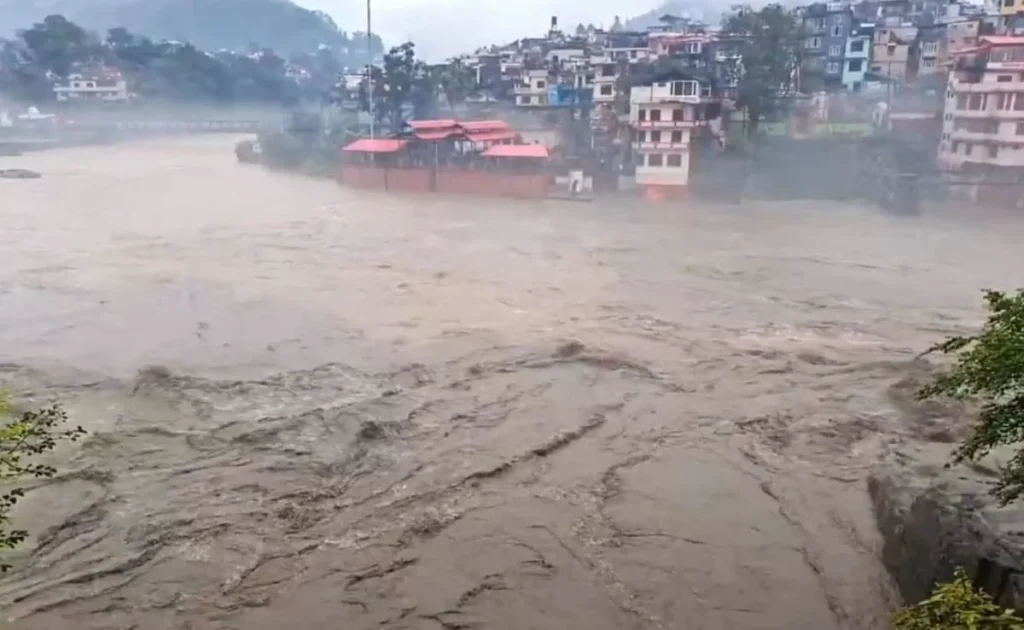
Himachal Pradesh faces unprecedented distress due to Himachal monsoon havoc—a series of brutal cloudbursts, flash floods, and landslides since mid‑June have claimed 69 lives, injured 110, and left 37 missing as of July 4. The devastation spans multiple districts, with Mandi hit hardest. Infrastructure damage alone costs hundreds of crore rupees, shifting focus to urgent rescue and relief operations.
Timeline of Events
- Monsoon rains began on June 20, ushering higher-than-usual rainfall.
- Between June 20–July 3, at least 14 cloudbursts occurred, especially in Mandi’s Thunag, Karsog, and Lahaul-Sirsa.
- Flash floods along the swollen Beas river washed away homes, bridges, roads, and power systems.
The Human Toll
- Fatalities: 69 confirmed dead, including men, women, and several children across Mandi, Kangra, Chamba, Shimla, Una, and others.
- Missing: 37 people are unaccounted for—search operations continue.
- Injuries: Over 110 injured, with many receiving treatment in district hospitals.
Infrastructure and Economic Impact
- Over Rs 400–700 crore in estimated damages.
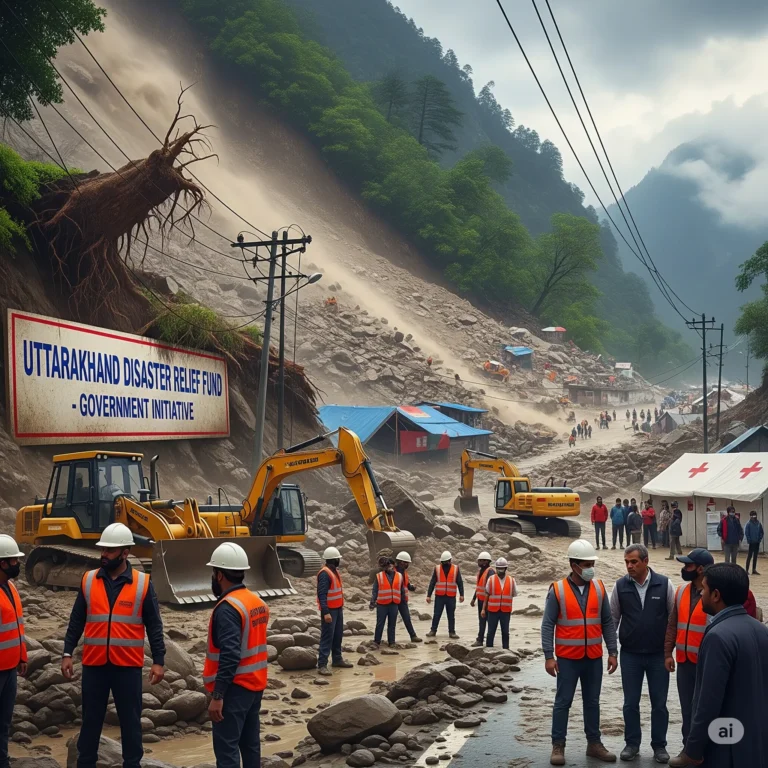
- Around 250–300 roads, including key national highways and village connectors, remain blocked by landslides.
- More than 500 transformers and 600+ drinking water schemes disrupted.
- 100+ homes, 150 cattle sheds, 14 bridges, and numerous vehicles destroyed or washed away.
Rescue and Relief Efforts
- NDRF, SDRF, local police, and Army units are coordinating relief in Mandi, Kullu, and Shimla.
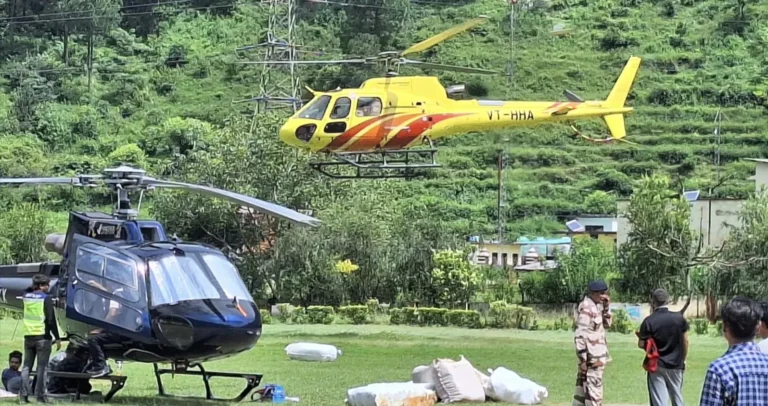
- Aerial sorties have dropped food, water, and ration kits; relief camps shelter over 400 displaced persons.
- State government announced ₹5,000 monthly aid for families in rented accommodation.
- Chief Minister Sukhvinder Singh Sukhu is leading the response, supported by Home Minister Amit Shah’s assurance of central support.
Weather Alerts and Precautions
- The India Meteorological Department (IMD) issued orange and red alerts through July 7–9.
- Ongoing warnings advise residents to steer clear of floodplains and unstable slopes.
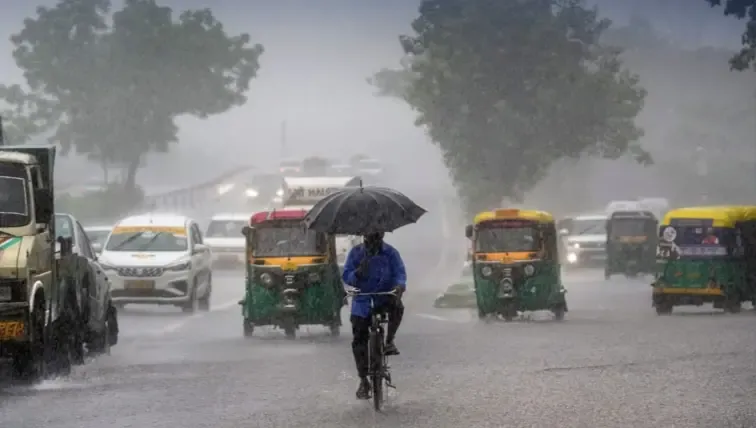
- Continued Himachal monsoon havoc expected—with heavy-to-very heavy rainfall forecast.
Environmental and Construction Concerns
Experts highlight how accelerated construction, hydropower sites, and deforestation intensified flood damage during this Himachal monsoon havoc. Blind hillslope cutting and infrastructure in fragile zones exacerbate cloudburst impact. Authorities are urged to reassess environmental policies.
Community Voices
- Local residents report sudden collapse of water supply lines and electricity poles, leaving entire villages cut off.
- Survivors share harrowing stories: families losing homes and livestock, students abandoned in college hostels.
- Leaders across political spectra, including Priyanka Gandhi and Kangana Ranaut, expressed solidarity and called for swift aid.
Long-Term Concerns
- The disruption of water and power systems could trigger public health crises.
- Tourism—a major revenue source—is badly hit; areas like Mandi and Shimla are inaccessible.
- Persistent Himachal monsoon havoc risks eroding public confidence and demands better climate adaptation planning.
Administrative Response
- CM Sukhu’s relief teams are assessing damage and restoring roads/ad utilities.
- Investigations launched into infrastructure failures (e.g., building collapses near Shimla), with special panels reviewing listed collapse-prone constructions.
- Coordination among state, central, and disaster agencies is ongoing.
What’s Next?
- Rescue efforts continue as rain subsides temporarily.
- Restoration of roads, water, power expected in phases over coming weeks.
- Long-term: flood resilience plans, ecological restoration, regulated construction, early warning systems for cloudbursts.
Broader Climate Narrative
Himachal’s recurrent monsoon havoc—last witnessed in 2023—is symptomatic of climate stress in the Himalayan region. Increasing monsoon intensity, flash floods, and landslides necessitate a climate-resilient infrastructure and stricter zoning enforcement.
Get the latest updated news at RealtimeVoice – your trusted source for real-time headlines and in-depth analysis.
Conclusion
The Himachal monsoon havoc has delivered a tragic blow to lives, homes, and livelihoods. While rescue efforts are underway, the state’s families are facing trauma, displacement, and uncertainty. Recovery will demand not just funds but policy shifts—better construction norms, ecological safeguards, and disaster preparedness. As Himachal rebuilds, climate-resilient systems and community trust must guide the path to normalcy.